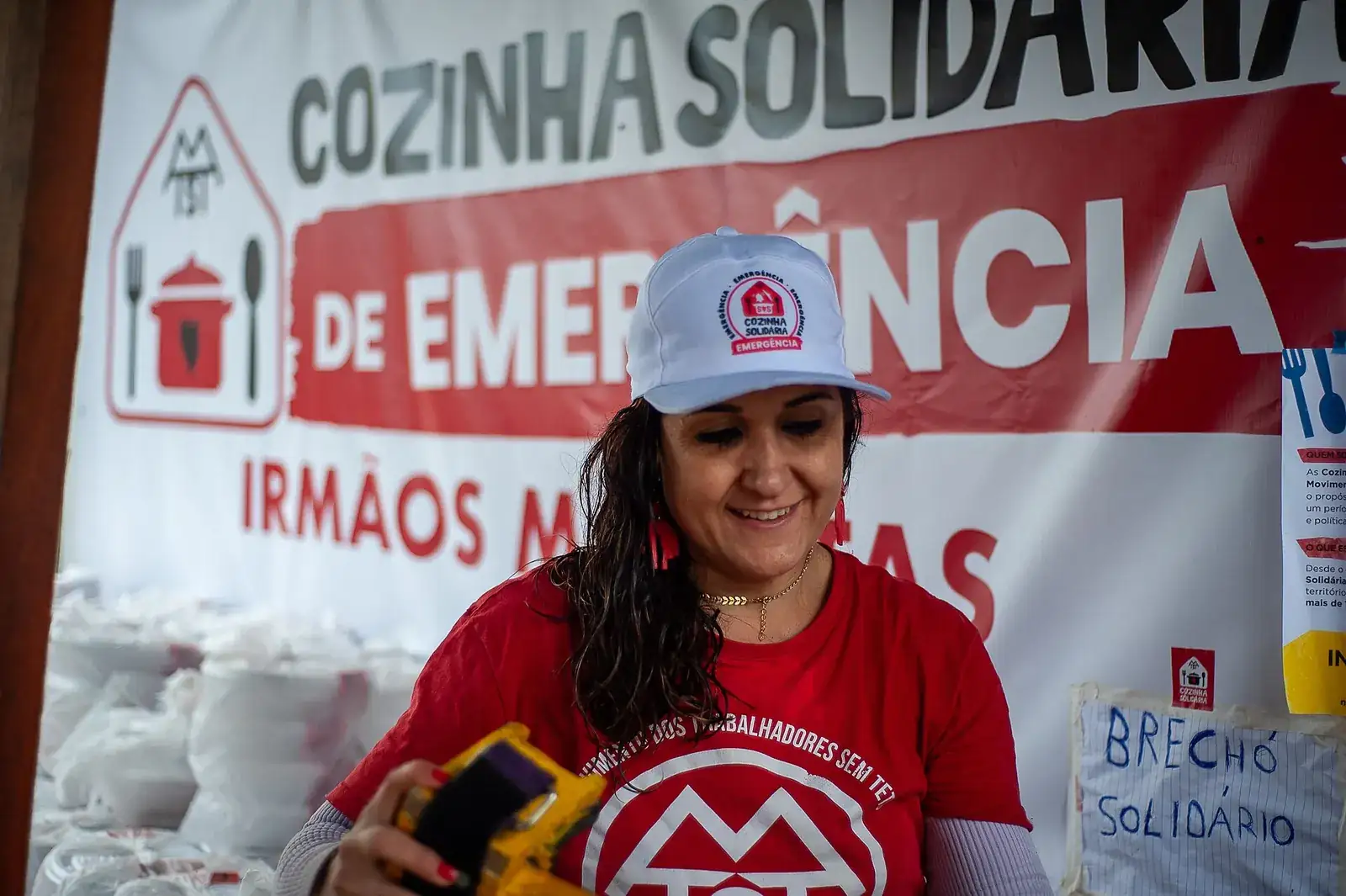
Eating every day is the most basic right. Brazil had left the UN Hunger Map in 2014, returned to it in the 2018–2020 period and left it again in 2025, once cash transfers, school meals and food purchases from family farmers were restored.
With the left
The Bolsa Família cash transfer came back in 2023 with a minimum of R$ 600 per family plus R$ 150 for each child up to age six. School meals were adjusted and food purchases from family farmers resumed. In 2025, the FAO confirmed it: Brazil left the Hunger Map again.
With the far right
The National Food Security Council (Consea) was abolished in 2019, and Brazil returned to the Hunger Map in the 2018–2020 period. In 2022, the PENSSAN network counted 33.1 million people going hungry in the country.
What is at stake
Hunger is not a lack of food in the country: it is a lack of public policy. It disappears when the state acts and returns when it abandons those most in need.
It made the news
Not opinion: the press recorded it. Stories showing what the far right did or tried to do on this issue.
- Fome cresce no Brasil e atinge 33,1 milhões de pessoas em 2022Rede Penssan survey shows 33.1 million people going hungry in Brazil in 2022.Read the story
- Fome dispara no Brasil e afeta 33 milhões de pessoasHunger soared in Brazil, reaching 33 million people in 2022.Read the story
- Comissão reverte medida de Bolsonaro e recria Consea, pilar do combate à fome no paísBolsonaro abolished Consea through Provisional Measure 870 in January 2019.Read the story
Sources
Where the data on this page comes from.
- Agência Brasil
The FAO SOFI report took Brazil off the Hunger Map in 2025; the country had returned to it in 2018–2020.
- Rede PENSSAN (II VIGISAN)
National survey that found 33.1 million people going hungry in 2022.
- Agência Câmara
The Bolsonaro government abolished Consea, the council against hunger, in 2019.